
If you have heard of Outward, the main thing you know is that it is a gruelling, time consuming and unfairly difficult survival RPG. All of this is true.
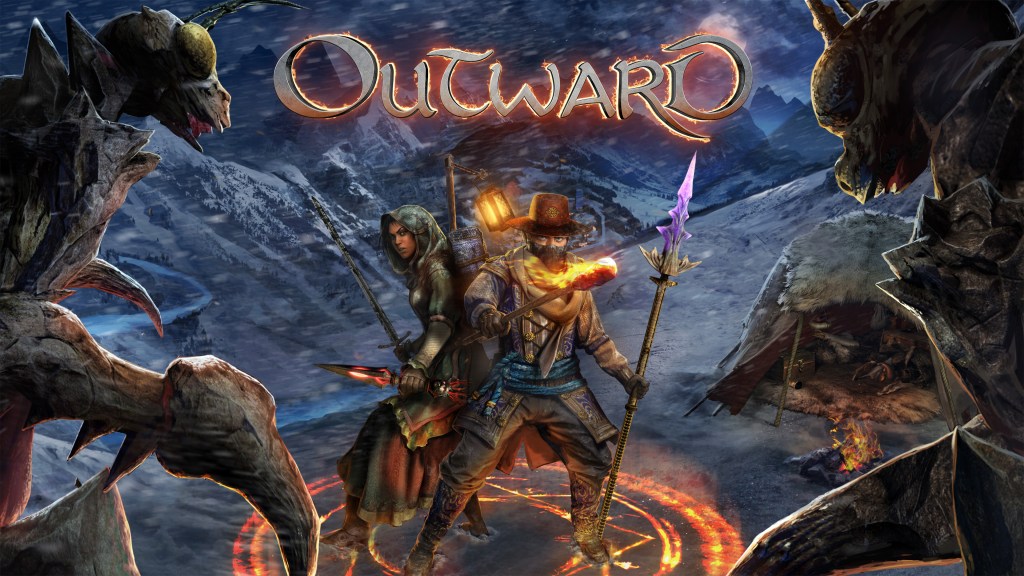
Right out of the gates, Outward spawns you in standing on a beach in your underwear (after what many reviewers refer to as ‘the ugliest character create they have ever seen’). And things don’t get much better from there. Unlike many RPGs before it, you are not some deity or prophesied hero. Instead you are essentially the village idiot, attempting to whittle clubs out of sticks and being chased by hyenas and oversized birds.

You spend your first days with the game desperately attempting to earn enough money to pay off your blood price – unfairly bestowed upon you by your absent family. From there it’s a matter of balancing the usual treats of the survival game – weather, body temperature, hunger, fatigue – with the choice-making and class building of your standard RPG. But there is no direct levelling system in Outward, meaning even at end game, one slip of concentration can allow a lowly bandit to end you. There is no traditional death system, but instead you wake up in a new location determined by what killed you. In short, avoid death by bandit at all costs unless you like the taste of prison gruel!
This game is undeniably more enjoyable in co-op, as inventory management and fights feel far more balanced. Combat is slow and chews up your stamina bar, so having a friend to take aggro while you chug a potion and line up your skills can be vital – especially if you choose the fun but complex rune system. However, Co-op does occasionally lead to some interesting bugs such as needing to dodge roll when leaving a tent (or else your friend will have to live with you sliding around in a sleeping position indefinitely) and the extremely frustrating inventory bug where items taken from a player chest may disappear from your inventory for a random period of time.
The main story branches into three paths, deciding which city the player makes their home. You can join the Blue Chamber in Berg, the Holy Mission in Monsoon, or the Heroic Kingdom in Levant, each offering a different central story line and player house, though you can travel between the three before choosing in order to clear some of the side missions. Each region has its own quirks, from the poisonous water in the Hallowed Marsh to the blistering heat of the Arbrassar desert, making it integral to bring along status negating potions and foods in order to survive.
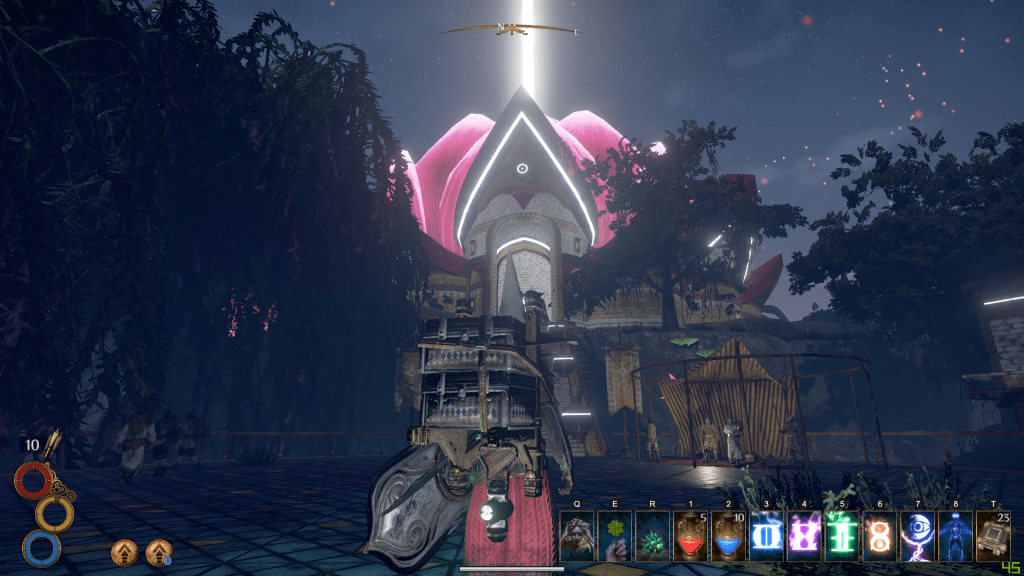
Outward does have an extremely frustrating mechanic that revolves around wait periods and timers tied to quests. After completing each story mission you are expected to wait three to five days for the next, but the days don’t appear to line up with the in-game calendar. With some missions automatically failing you if they are not completed within a certain time, it can feel risky to wander too far from the quest giver, but also leaves you with a lot of empty time to kill. Additionally, there are several quests with timers that the player is not notified of, including one where if you do not return to Cierzo and complete the Vendavel Quest within 20 days of joining a faction, the village will be permanently destroyed. It is therefore advisable to keep a mission guide ready to make sure you don’t miss anything important!
As a first endeavour by the small dev team at Nine Dots, Outward is an impressive and immersive experience. Despite all its faults, it is complex and experimental and has a great level of replayability. An active modding community helps boost this game into something great and has kept many players returning for more. Here’s hoping Nine Dots continue to move on and up – we’re expecting great things!
 Cosmic Casual Gaming
Leave a comment